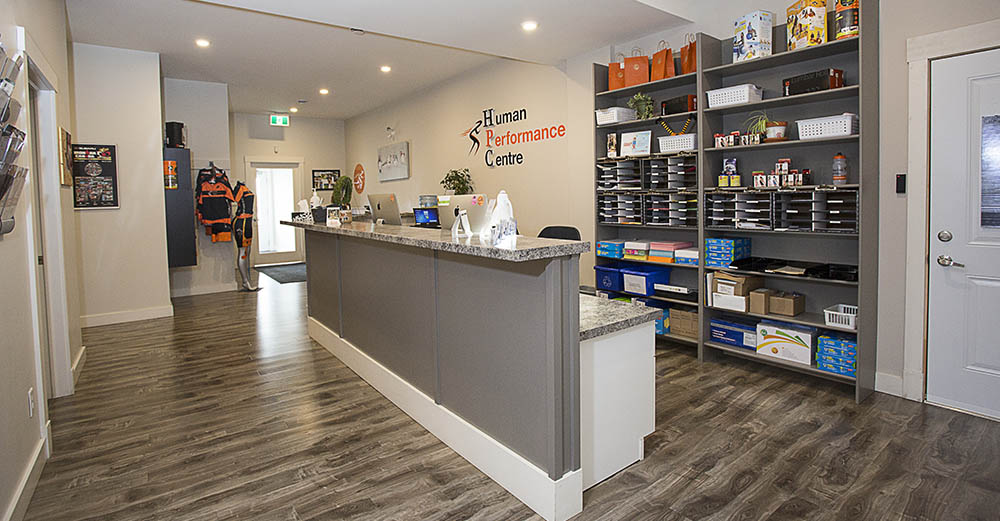
High quality therapy, conditioning and wellness services in a friendly caring environment
For everyone – from members of our local community to endurance athletes around the world.

Physiotherapy is the treatment, management and prevention of a wide variety of physical injuries using techniques such as patient-specific exercise programs, massage and physical methods, treatment using heat or cold, acupuncture, and electricity and light energy.
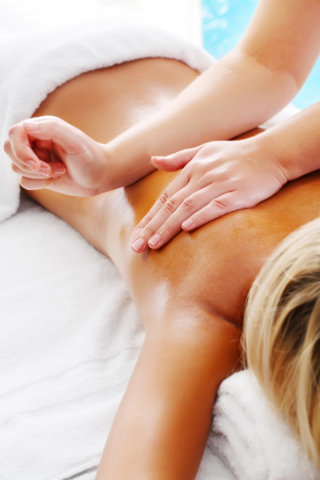
Massage Therapy uses long, smooth strokes, kneading and other movements including stretching and even strengthening of various muscles with massage oil or lotion.
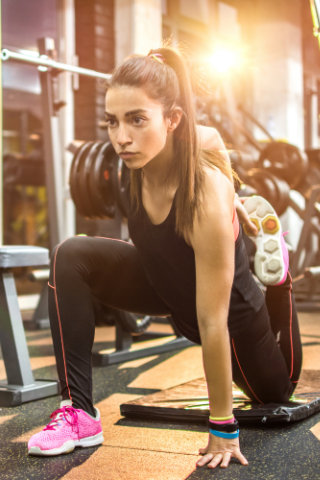
Our fully equipped Fitness Centre has a wide range of exercise equipment, group fitness programming, personal training and health professionals to get you started towards reaching your fitness goals and achieving your best.
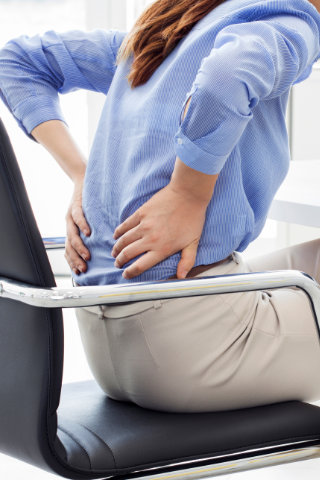
Ergonomic Assessment is an analysis of a worker’s workstation and how it fits his or her body. Because we are all different, one-size fits all workstations can lead to fatigue, mistakes, lost productivity and injury.

Read more Please call us at 738-8299 or email reception.hpcphysio@gmail.com to book an appointment for physiotherapy or massage. Virtual physiotherapy appointments are still available. COVID cleaning measures and protocols continue to be in place to ensure the safety of our staff and clients.